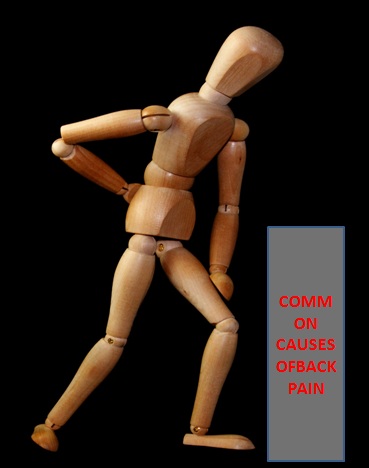
The term “back pain” can include any type of pain or discomfort felt in the back. This may occur on a short-term temporary basis, such as after lifting a heavy item, or on a long-term chronic basis as a result of an illness, accident, underlying medical condition or old age.
Unfortunately, most people take their back for granted, and it’s not until they experience pain that they realize what an important role their back plays and how much it is involved in their everyday activities.
A person who suffers from back pain, for example, may find it difficult to get out of bed or get up off a chair, and they may even find it painful walking around or standing upright.
Furthermore, back pain can also affect a person when they are lying in bed at night, which may then interfere with their ability to sleep and possibly even cause insomnia.

Back pain is therefore something that should be taken extremely seriously, as not only can it cause you pain and discomfort, but it can also affect the quality of life that you are able to lead.
The good news, however, is that most cases of back pain can be easily prevented or treated, as generally, it’s not until someone suffers from a long term chronic condition, or serious injury, that their back pain really starts to become a significant problem.
Non Medical Causes of Back Pain
Back pain can broadly be divided into medical and non medical causes. In this section, we are going to examine the non medical causes which includes any type of injury not relating to serious disease or damage.
This is the most common cause of back pain, and relates heavily to the type of lifestyle that one lives. As a result, many of these causes can also be avoided or prevented.
Poor Sitting Habits
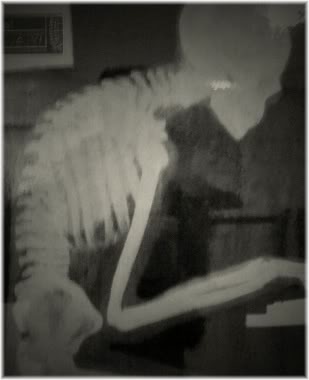
Slumping whilst seated places extra strain on the lower back. This increases the risk of developing pain in that area, in addition to promoting a poor posture with shoulders that hunch forward.
Poor sitting habits are a common cause of lower back pain amongst individuals whose profession involves them being seated for long periods of time, such as sitting at a desk or driving a vehicle.
Incorrect Lifting Technique
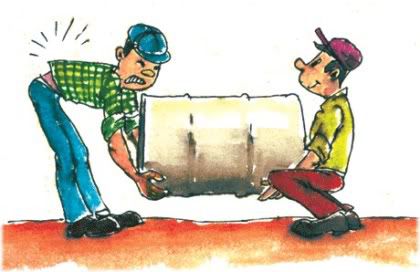
Another common cause of lower back pain is incorrect lifting habits, especially when lifting heavy loads. Weight that is lifted without bent knees, for example, can strain the lower back and cause muscular pains.
Slouching

Slouching whilst standing can strain the lower and upper back, especially if a person is tall, overweight, pregnant or is carrying a heavy item.
Stretching/Twisting the Body

Muscular pains can be caused by overstretching or irregular twisting of the body, such as when playing a sport or when reaching for an object that is out of reach.
Carrying Items on One Shoulder

Weight that is not distributed evenly, such as a one shoulder bag, may result in irregular twisting of the spine that causes pain on one side of the back, shoulder or neck.
Falling Down

Falling on a hard surface can result in twisting of the back leading to muscular pains or even damage to the spine itself.
Sleeping on a Bad Bed

Using a mattress that does not provide proper support for your back can result in you waking up each morning suffering from muscular tension or soreness.
Obesity
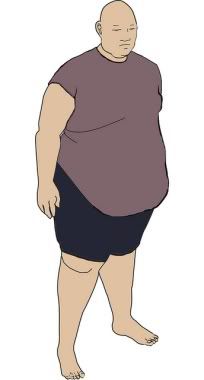
People who are obese increase the strain they place on their spine, which then makes them more vulnerable to accidental injuries and muscular strains.
Medication Side Effects
Some medications, such as those used to treat acid reflux, may result in weakening/thinning of the bones which adversely affects the strength and resilience of the spine.
Lumbar Muscle Strains
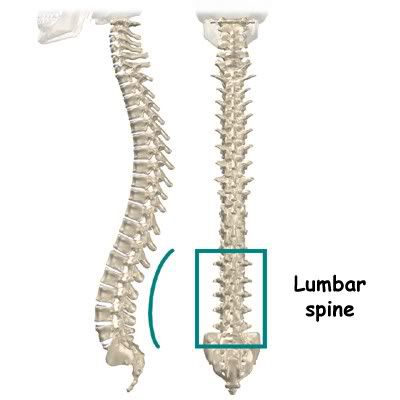
A muscle strain occurs when a sudden force creates a rip or tear in the muscle fibers that causes a sharp and intense pain. Generally, lumbar strains occur as a result of lifting something too heavy for you or lifting it in an incorrect manner.
However, it is also possible for such strains to occur as a result of sitting or lying in an awkward position, and even from overstretching. Fortunately, lumbar muscle strains tend to be relatively short-lived, and so the pain should go away by itself within a few days.
Medical Causes of Back Pain
Medical causes of back pain relate to any type of serious injury or disease that requires specialist intervention to treat.
These causes tend to result in much more severe pain and longer lasting disability. In some cases, they may even result in chronic back pain that can only be managed and not cured.
Spinal Disc Problems
The spine runs down the center of the back and is composed of 33 individual vertebrae. There are 7 cervical vertebra that support the head and neck, 12 thoracic vertebrae that support the ribs, 5 lumbar vertebrae that support the lower back, 5 fused vertebrae of the posterior pelvis and 4 fused vertebrae of the coccyx or tailbone.
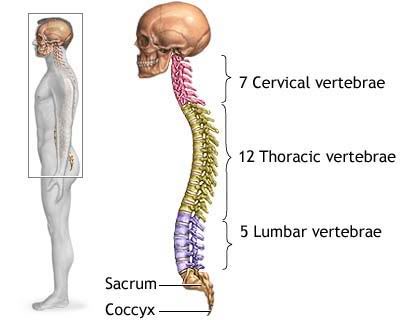
Between each vertebra is a small disc that acts like a shock absorber so that your spine can flex and bend without causing you discomfort or pain.
However, if there is a problem with one of these discs, then the vertebrae of your spine could knock together causing a sharp and intense pain.
One such problem that can occur is a prolapsed or herniated disc, which is more commonly known as a “slipped disc”.
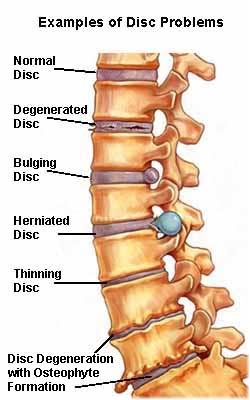
The likelihood of disc problems occurring increases with advancing age. Although, individuals who regularly lift heavy items, are obese, or sit down for long periods of the day, are at an increased risk of developing spinal disc problems at a young age.
Sciatica
Sciatica occurs as a result of an irritation or overstimulation of the sciatic nerve in the spinal column. As a result, it is not uncommon for sciatica to accompany other back problems such as muscle and ligament strains.
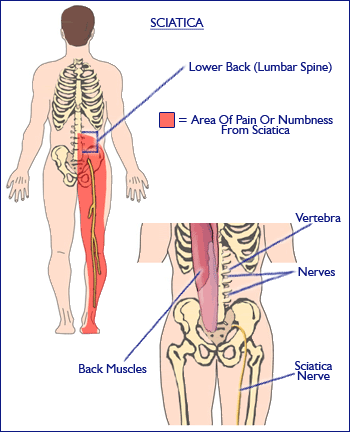
Typically, it results in pain in the lower back which then later extends down into the buttocks and legs.
Symptoms can include feelings of numbness, burning or even a tingling sensation that gradually fades away, but may later reappear and become even more painful to the point of being debilitating.
Sciatica usually occurs as a result of a slipped disc which causes an irritation to the surrounding nerves. This may occur as a result of lifting something too heavy, bending over in an awkward position or even from twisting in a way that unusually jerks or strains the body.
Spinal Stenosis
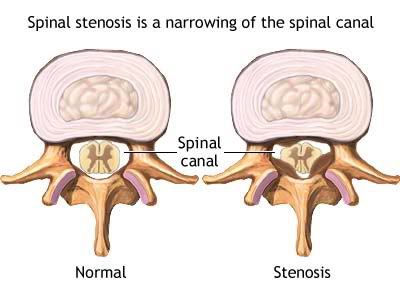
Spinal stenosis is generally associated with old age or conditions such as arthritis which result in an abnormal narrowing of the spinal column that restricts its movement. This can then cause pressure on the spine or surrounding nerves resulting in pain during movement.
Osteoporosis
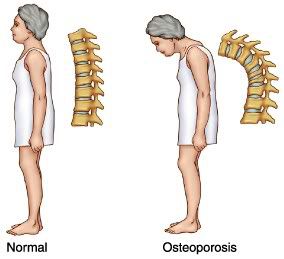
Back pain from osteoporosis is usually only experienced by the elderly or in individuals who are taking medications that result in decreased bone density.
As the bones begin to weaken, the vertebrae may suffer from compression fractures that cause pain during movement.
This tends to be a degenerative condition (i.e., one that gets worse over time) because as the bones become weaker the risk of them being fractured increases.
Lumbar Spine Arthritis
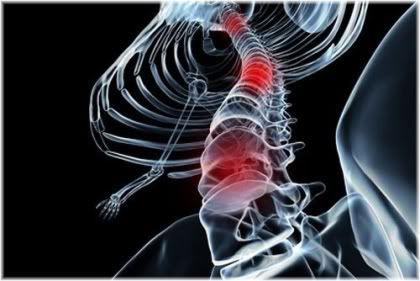
Although most people think of arthritis as affecting only the external parts of the body, such as the hands and feet, arthritis can also affect the spine. When this occurs, any movement of the spine can become extremely painful.
Spondylolisthesis
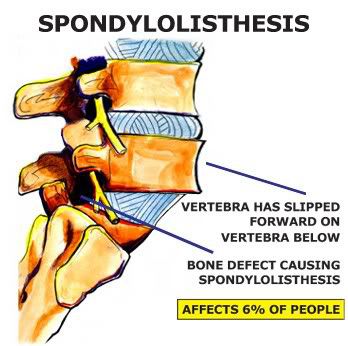
When adjacent vertebrae in the spine become unstable due to a degenerative condition in that area of the body, the individual vertebra can shift their positions relative to one another.
This may then cause the vertebra to grind or rub against each other and cause a great deal of pain as a result. Spondylolisthesis is, however, a relatively rare condition, typically affecting around 6% of people.
The Difficulty of Making a Diagnosis
For many medical professionals, diagnosing back pain can be one of the most frustrating and difficult tasks they face.
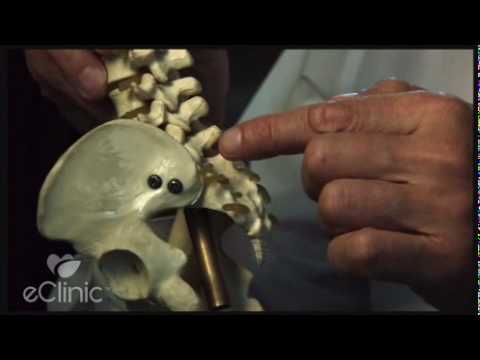
The reason for this is because unless there is a clear medical condition, such as osteoporosis, which can give a clue as to the cause of a person’s pain, it can be very hard to determine exactly why someone is experiencing pain without them undergoing a full medical examination. And even then, a cause may still not be identified.
Furthermore, because pain is a subjective measure, something that can only be felt and experienced by the sufferer, it is also very difficult to ascertain how much discomfort a person is in and the precise location of their pain which could then affect how successfully that pain is treated.
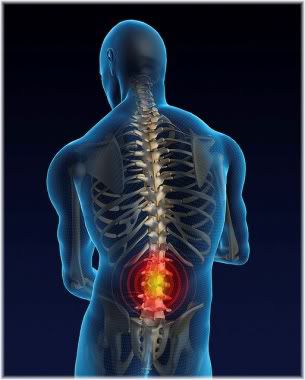
This is why reporting the symptoms of back pain as early as possible is crucial to making a successful recovery, because if you know, for example, that your pain occurred immediately after lifting a heavy box, then the cause of that pain will be known which then allows for it to be appropriately treated.
Reporting your symptoms early is especially important if you have ever suffered from back pain in the past, as previous injuries can increase your susceptibility of developing future injuries and of greater severity.

Unfortunately, however, most people choose not to seek medical attention for back pains, as unless it’s particular severe, they prefer to deal with it themselves and hope that things will get better on their own.
In majority of cases, recovery will occur naturally as the body heals itself of its injury. But in some cases, a person’s condition could be made worse by waiting.
This then makes it harder to accurately diagnose and treat that person, especially if they have already been suffering for a prolonged period of time.
How long does it take to make a diagnosis?
If back pain is reported promptly, it can usually be diagnosed and treated very quickly.
In such cases, the chance of making a full recovery is high, providing that a person allows themselves sufficient time to rest and does not engage in any strenuous activities during this period.
Long term back pain, on the other hand, is a much more unpredictable affair.

The main reason for this is that chronic pain usually occurs as a result of accumulated stresses and strains to the back that went unreported, and so, over time, were allowed to gradually cause more and more damage until a person was left in so much discomfort that they had no option but to seek medical help.
However, because by this stage diagnosing and treating a person’s back pain can be very difficult and time consuming, a person is likely to find their condition frustrating to live with.
As a result, some patients find themselves jumping from one medical professional to another in the hope that eventually they will find a “miracle cure” for their problem.

Very rarely is this approach successful though, as when dealing with chronic back pain, there are no quick fixes. This means that you could be looking at many months or even years before you start to notice an improvement in the way you feel.
A much more effective approach is to find a medical professional whom you are comfortable with, such as a orthopedist, osteopath or general medical practitioner, and then to work with them for at least a few weeks or months so that they are given enough time to help you to the best of their ability.
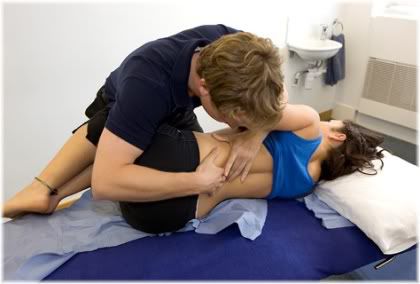
If you find that you are not making any progress with your chosen medical professional after giving them a reasonable amount of time to help you, only then should you go and seek a second opinion.
Ideally, this should be a back pain specialist who you have been referred to by your doctor or by someone you know who previously suffered with a similar condition as to what you are suffering from.
Making a diagnosis
Lower back pain is the most common type of back pain and your physician should be able to diagnosis this from the symptoms that you report to them.
If, however, you are still experiencing further pain after a period of one month, then your physician may request that you undergo a medical examination in hospital.

Medical examinations can include a physical examination of your back that involves you moving or bending and then reporting any discomfort you feel.
But more commonly, a medical imaging scan will be performed, such as with an X-ray, magnetic resonance imaging (MRI) or computerized axial tomography (CAT) scan machine, so that your skeletal structure can be more closely examined.
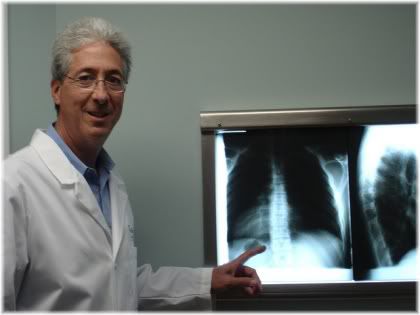
Imaging scans, however, tend to be relatively limited in terms of identifying the cause of a person’s back discomfort.
This is largely true unless that discomfort is being caused by a structural abnormality of the spine, such as a disc protrusion, herniated disc, spinal stenosis or a collapsed vertebra.
In such cases, imaging scans should be able to quickly identify the likely cause of a person’s pain.
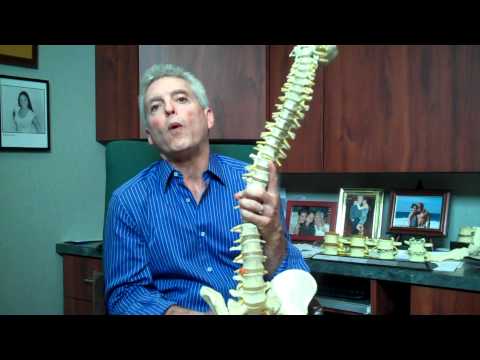
The following video shows how back pain can be medically evaluated and diagnosed:

Treating Backaches & Pains by Yourself
Back pain is something that most people think of as only happening to older adults, but the truth is, young adults are often more likely to develop back pain as a result of their lifestyle habits.

Older adults, however, tend to suffer from back pain largely as a result of accidents, degenerative disorders, or due to a back injury which they sustained in their youth.
But regardless of age, back pain will, in some form or another, affect two-thirds of the population at some point in their life. So this is certainly not an uncommon condition and therefore one that should be taken extremely seriously.
If you ever hurt your back, however, you don’t necessarily have to rush to the doctor straight away, as there are measures that you can take to alleviate your discomfort and speed up the rate at which you recover.
Some of the possible ways that you can do this are listed below:
1) Use a Hot or Cold Treatment
Hold or cold treatments provide a very effective natural remedy for reducing the pain caused by a strained back muscle. Which treatment you should use, however, largely depends on whether or not there is inflammation or swelling present in the affected area.
Heat Treatments
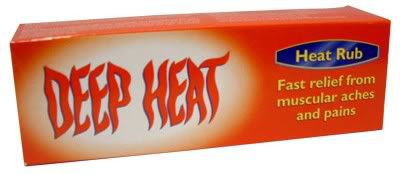
If there is no swelling present, apply heat in the form of a “deep heat” spray, tiger balm or a towel that has been soaked in warm water, to the affected area for 10-15 minutes.
Applying heat to a muscle will increase blood flow and skin temperature. This will then increase muscle flexibility and elasticity, thereby helping to relieve any muscle related pains.
Cold Treatments
If there is swelling and redness present, apply cold in the form of a cooling spray or wrap up some ice or frozen vegetables in a towel and then place it on the surface of the skin.
Do not apply very cold objects, such as ice, directly to naked skin, as this could cause a cold contact related skin injury, such as frostbite.

Cold should be applied to the skin for 10-15 minutes at a time. Afterwards, allow your skin to return back to its normal temperature before you repeat the procedure again if you feel that it is necessary to do so.
Generally, repeating the treatment two to three times should be sufficient to give you good results.
Cold applied to the skin will cause blood vessels to narrow which subsequently limits internal bleeding, swelling and pain from developing.
When Uncertain
If you are uncertain as to which treatment you should be using, start with a cold compress first because applying heat incorrectly could make your back pain worse.
You will get the best results from this treatment if you treat injured areas on a regular basis, such as in the morning, after work and in the evening before you retire to bed.
The more regularly you can apply your treatment, the less swelling and inflammation there is likely to be.
2) Take an Anti-Inflammatory Pill

Over the counter drugs, such as aspirin and Ibuprofen, have anti-inflammatory and pain reliving properties which can help to reduce the severity of your symptoms.
You may also experience relief with medications such as Tylenol, even though it isn’t an anti-inflammatory.
3) Healing Herbs

White willow bark is a natural form of aspirin, devil’s claw is very strong pain reliever and anti-inflammatory, and turmeric is an excellent anti-inflammatory that can also be used as a natural alternative to medications given for joint pains.
If you want to adopt an all natural approach, you may want to give one of these herbs a try.
4) Get Proper Rest
The body has a remarkable ability to heal itself, providing that is, you allow it to do its job. If you injure or hurt your back, you should therefore avoid doing any strenuous form of activity, such as heavy lifting or playing sports, and ensure that you get plenty of sleep.
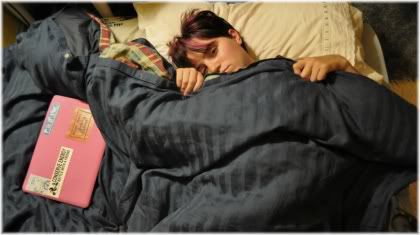
If you are in full-time employment, consider taking a few days off work because going to work will likely delay your recovery and could even result in more serious injury.
The best form of rest is lying down on your back with your lower legs raised and supported by a pillow, or lying down on your side in the fetal position.
Generally, sitting down is not recommended as a form of rest, as this tends to place extra pressure on the lower back which may aggravate symptoms and delay recovery.
5) Have a Bath

A hot bath can be an excellent way to wind down and reduce muscle strain associated back pain.
To further increase the effectiveness of your bath try adding some Epsom salts to it, as the magnesium which these salts contain can be very beneficial in helping to ease swelling, relaxing tight or sore muscles and sedating the nervous system.
6) Exercise
Exercising will increase blood circulation throughout the body thereby assisting the healing process. It will also help to prevent muscle atrophy, as well as reducing your risk of developing a deep vein thrombosis (DVT).

Of course, you should not be doing anything too strenuous, so activities such as tennis, running or playing football should be avoided. Instead, opt for something a bit more gentle such as swimming or walking.
Depending on the type of injury that you have sustained, cycling is generally not a good activity to do because you must bend forward on the bike which is only likely to cause you more pain.
Likewise, complex yoga routines should also be avoid, as bending or stretching your body could cause further strain or damage to your back.
7) Seek Professional Help if Required
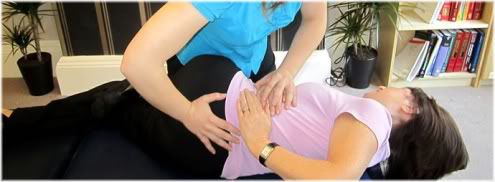
If your back pain does not get better within one week, you should visit your doctor as you may have sustained a serious injury that could progress into a chronic condition if it’s not treated promptly.
Acupuncture
One of the most popular alternative treatments for back pain, and also one that has been proven to be effective, is the ancient Chinese practice of acupuncture.
In traditional Chinese medicine, back pain is not simply viewed as one type of pain, but rather, as a collection of individual pains which can be classified and differentiated.
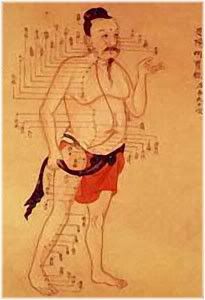
As a result, the type of acupuncture treatment that you receive will vary depending on the type of back pain that you are diagnosed as suffering from, where you are experiencing it and how long you have been suffering with it.
Some of the main types of back pain recognized by Chinese medicine include:
Deficiency
This type of back pain tends to be associated with middle-aged or elderly adults. It can be described as a dull aching pain that usually gets better with rest.
Blood Stagnation
This type of back pain is also referred to as “Qi pain” and deals with the flow of energy around the body.
In Chinese medicine, it is believed that muscles are able to move blood, energy (Qi) and other bodily fluids when they stretch and contract.
If you don’t use your muscles enough, your Qi will become congested and it is likely that you will suffer from pain as a result of that congestion.
Cold
This type of back pain tends to be felt most often in the morning and is usually made worse by cold or damp weather. In western medical terms, we would usually associate this type of back pain with arthritis or sciatica.
Some of the symptoms that are commonly experienced with this type of back pain include swelling in the joints or back muscles and a feeling of numbness.
Procedure

The basic belief behind Chinese medicine is that whenever you feel pain in your body, that it’s your body’s way of telling you that something is out of balance.
Therefore, in order to get rid of the pain, you need to restore that balance, and one way the Chinese do this is through the use of acupuncture needles.

Since using your muscles allows the Qi energy to flow properly, it is believed that if you do not use your muscles on a regular basis the flow Qi will become impaired. When that happens, and you place an unusual strain on your muscle, that muscle can go into spasm and cause you pain.
An acupuncturist will attempt to get rid of your back pain by moving blood and Qi around your body with the use of needles positioned at various Qi channels.
These needles will be applied both at the site of your back pain, and also in other regions of your body. The points of pain that you are experiencing are where the Qi has become congested, and the more painful your back pain is, the more congested your Qi is assumed to be.
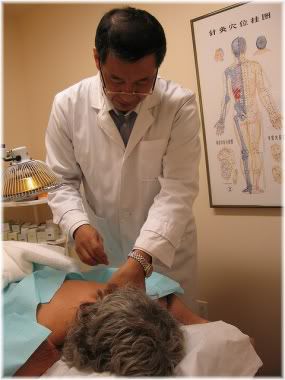
If you don’t like the idea of using needles for acupuncture, there are some practitioners who use a mild electric current rather than needles to open the Qi channels.
However, you are more likely to find such methods being used by individuals of western decent, as needles still tend to be the preferred method for acupuncture with traditional Chinese people.
Does acupuncture work?
There have been several studies carried out on the effectiveness of acupuncture as a treatment for back pain, and most of these studies do indeed show that acupuncture works and that it works quickly.
What’s even more impressive is that some of these studies were carried out on people who had failed to experience any improvement in their condition when using traditional western methods, but were able to find relief using acupuncture.

So there are studies out there which back up the Chinese belief in acupuncture as an effective treatment for back pain, and to date, many people have successfully used this ancient practice to treat their back pain naturally and without the use of drugs.
Furthermore, it has been shown that the use of metal needles or electro-acupuncture are both equally as effective.
So if you don’t like the idea of having lots of needles stuck in your body, you should still be able to experience the benefits of acupuncture via electro-stimulation.
Taking Preventative Measures With Food
The fact that certain foods can be used to reduce the symptoms of back pain has been known by athletes for some time.
For example, when you sweat you lose minerals and trace elements from your body. If these are not replaced, you are likely to suffer from muscle pains and cramps in your back.
This is why you often see athletes drinking special drink formulations, as these help to replenish their body with the minerals that it has lost.
As a result, the athlete is able to perform at their best whilst also minimizing their risk of injury.

Food is therefore something that should not be overlooked, as food can be an extremely effective preventative measure against back pain providing you eat the right foods and avoid eating the wrong foods.
Considering the fact that the majority of back pains occur as a result of either muscle problems or bone related problems, if you can address these two areas through the foods you eat, you should be able to greatly reduce your risk of suffering from back pain whilst also helping to improve your overall general health in the process.
Some of the vitamins and minerals you should try to incorporate into your diet are listed below:
Muscle minerals
Sodium and potassium are both involved in nerve transmission within the body, and low levels of either of these minerals can result in muscle spasms and muscle cramps causing pain in the lower back, one of the most common types of back pain.
Sodium can be obtained from a chicken or beef bouillon and also from salt. When using salt as a source of sodium, however, you should avoid consuming refined salt, the type that you would find in a supermarket.
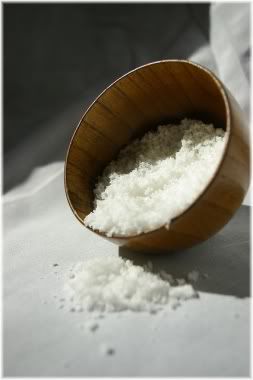
This type of salt has been stripped of all the natural minerals that salt normally contains leaving it with only with sodium, which, on its own, can lead to high blood pressure and other cardiovascular disorders.
The best type of salt to buy is natural unrefined sea salt, and this type of salt has a greyish color to it and is often moist to the touch.
Potassium can be obtained from bananas, brocoli, Brussels sprouts, spinach, tomatoes and mushrooms as some of the richest natural sources.
Bone minerals
Calcium is needed for muscular contraction and low levels can cause muscles to cramp up. Low calcium levels can also result in a condition known as “osteomalacia” which results in pain in the bones of the lower spine, pelvis and legs, in addition to causing muscle weakness.
Although calcium can be obtained from dairy products, such as milk and cheese, these foods are actually quite a poor source of calcium by themselves because the calcium they contain is not absorbed very well by the body.
Furthermore, some people have a genetic intolerance to cow’s milk that can result in them developing painful arthritis like symptoms later in life.

The best vegetable sources of calcium are dark green vegetables, such as kale or brocoli, but the amount of calcium you will absorb from these foods is still very low unless you are also consuming other nutrients.
In order to fully benefit from calcium in your diet, you should consume your calcium with vitamin D3, magnesium and vitamin K2, and avoid consuming any sodas as they will leach calcium from your bones.

In particular, vitamin D3 will increase the amount of calcium that you absorb through your small intestine, and Vitamin K2 will ensure that calcium is then deposited in your bones rather than in your arteries, where it could lead to calcification of the arteries causing them to harden and develop atherosclerosis.
Overall, just remember that keeping your bones healthy and dense is extremely important when it comes to preventing chronic back pain, because some conditions, such as spinal stenosis and osteoporosis, are directly related to a decrease in bone density.
Inflammation Causing Foods
Inflammation within the body can make preexisting back conditions worse, and could even lead to the development of long-term chronic back pain.
Certain foods, such as those listed shortly below, are known to cause inflammation and so should be avoided whenever possible.

In general, inflammation causing foods will be highly processed or refined foods, such as those that contain white flour or white sugar.
Such foods also increase ones risk of developing diabetes and becoming obese, which itself can also contribute towards the development of back pain.
Some of the foods which may contribute to the development of back pain when consumed on a long-term basis include:
• Sugar, from any source
• Processed foods
• French fries
• Fast foods
• White bread
• Pasta
• Ice cream
• Snack foods
• Polyunsaturated fats such as vegetable or corn oils
• Soda, caffeine and alcohol
• White flour
• Potato chips/crisps
Note: Any food that contains gluten (e.g., bread) may result in joint problems and autoimmune disorders later in life which could potentially affect the back.
Anti-Inflammatory Foods
Just as there are foods which can cause inflammation, fortunately, nature has also provided us with foods that can protect against inflammation.

These anti-inflammatory foods, if consumed on a consistent and regular basis, may help to safeguard against the development of chronic back, joint and bone pains later in life.
Such foods also have anti-aging properties, which can be beneficial in helping to keep you looking young and free from disease or illness.
Some examples of anti-inflammatory foods that you can eat for back pain include:
• Atlantic salmon (omega 3)
• Bright multicolored vegetables
• Water
• Olive oil
• Coconut oil
• Lean poultry
• Cod liver oil
• Nuts, legumes and seeds
• Dark green leafy vegetables
• Old fashioned oatmeal
• Turmeric and Ginger
Out of all of these, turmeric is perhaps the most powerful anti-inflammatory and anti-aging spice that you can take.
It has tremendous power as a healer and offers truly remarkable health benefits such as protection against disease and detoxification of the body.
Turmeric
The ingredient in turmeric which is thought to be responsible for its anti-inflammatory abilities is curcumin.
As such, you are likely to find turmeric capsules offering a high level of curcumin content which could not normally be found in the turmeric spice alone.

If you are planning on taking turmeric in its spice form for back pain, below are some tips on how to increase its bioavailability so that it’s better absorbed by the body:
• Put a teaspoon or tablespoon of turmeric with a little bit of black pepper into a cup and mix it into boiling water.
• Allow to cool, and then drink it directly after a meal which contained fat. Alternatively, you can eat fats such as cod liver oil* or coconut oil from a spoon and then take your turmeric mixture.
• To further increase bioavailability, take a digestive enzyme supplement with your turmeric mix.
* Cod liver oil contains vitamin D which is a powerful anti-inflammatory. Some medical practitioners recommend taking 5000 IU of vitamin D daily.
Turmeric is definitely something that you want to be taking on a daily basis if you have back pain, or are just interested in slowing down aging and detoxifying the body. So whether you take it in spice form, or tablet form, just be sure that you do!
Herbal Teas
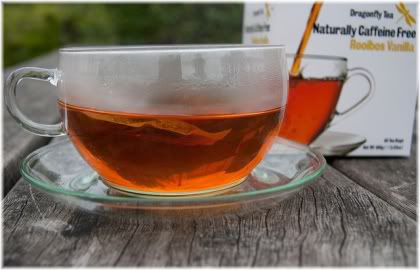
Drinking tea can be an easy and convenient way to reduce the symptoms of back pain.
Two teas which can be especially helpful are rooibos tea and green tea, as both contain many powerful anti-inflammatory and anti-aging compounds, such as the polyphenol antioxidants.
Of course, drinking tea alone won’t cure your back pain, but when combined with some of the other suggestions that we have been discussing thus far, it may help to make your life more comfortable and reduce your risk of developing more serious back problems later on in life.
Medical Treatments
Whilst there are numerous natural remedies for back pain, such remedies tend to be more useful as a preventative aid rather than a first line treatment.
When dealing with chronic back pain, for example, natural remedies may help somewhat, but are unlikely to provide a person with the level of relief that they require.
In such cases, medical treatments are usually the most effective means for managing and treating pains in the back.

Below you will find some medical treatments that are commonly used for treating back pain:
Anti-Inflammatory Drugs
Anti-inflammatory drugs, also known as non-specific anti-inflammatory drugs (NSAIDs), can be used to reduce back pain by reducing inflammation within the body.

Some examples of anti-inflammatory drugs for back pain include: Aspirin, Ibuprofen (e.g. Advil, Motrin, Nuprin), Naproxen (e.g. Aleve, Naprosyn, Anaprox, Naprelan) and COX-2 Inhibitors (e.g. Prescription Brand Celebrex).
However, NSAIDs may carry a risk of gastrointestinal bleeding, so they are not recommended for long-term usage.
A medical professional may instead choose to prescribe narcotic pain killers to reduce back pain, but these should also be used for a limited time as they too may cause undesirable side-effects.
An effective natural alternative to anti-inflammatory drugs, is the Indian spice turmeric, or more specifically, the curcumin that it contains.
Back Muscle Relaxants
If the primary cause of your back pain has been diagnosed as resulting from muscle spasms or muscular tension, then you may be prescribed drug based muscle relaxants to ease your discomfort.
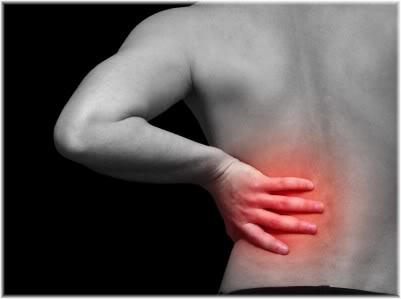
Some examples of muscle relaxant drugs for back pain include: Carisoprodol (Soma), Cyclobenzaprine (Flexeril), Diazepam (Valium), Metaxalone (Skelaxin) and Methocarbamol (Robaxin).
Such drugs reduce the occurrence of back spasms and muscular tensions by depressing the central nervous system, and so can be of great help in alleviating any pains that you may be experiencing.
Note: Muscle relaxants, such as Valium, also act as a sedative which can make you feel drowsy. As a result, they may not be suitable to take if you operate heavy machinery at work or if you drive regularly.
Pain Killers
Although pain killers can be given to ease the symptoms of back pain, eventually you will build up a tolerance to your medication. When this occurs, you will require stronger pain killers to get the same effect that a weaker pain killer used to provide.

This can increase your risk of developing adverse side effects, and so any pain killer medication that you are given should only be taken when absolutely necessary and not for prolonged periods of time.
Some examples of mild pain killers for back pain include: Darvocet, Darvon and Tylenol with Codeine. If you find that over time these become ineffective at treating your pain, then you may be prescribed a stronger narcotic such as Vicodin, Lortab or Tylenol #3.
If you still find your medication to be ineffective at controlling your pain, you may be prescribed stronger drugs such as Percocet, Percodan, Oxycontin, MS Contin, a Duragesic skin patch or Morphine.
Epidural Steroid Injection
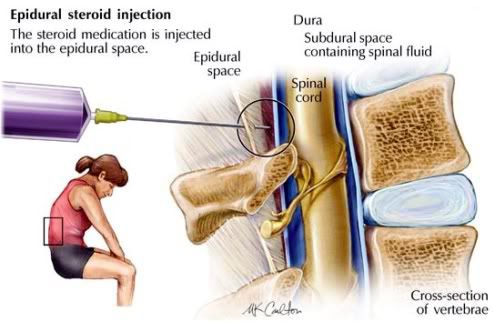
If you are suffering from inflammation around the spinal nerves, then your back pain may be treated with an epidural steroid injection. This injection will help to reduce the inflammation, which should in turn then reduce the amount of pain that you experience.
Like all drugs, steroids can have undesirable side-effects and so should only be taken for a short period of time.
Spinal Surgery
Spinal surgery is a last choice treatment for dealing with back pain, and it’s only suitable for a limited number of conditions, such as spondylolisthesis, spinal stenosis or to treat a ruptured disc.
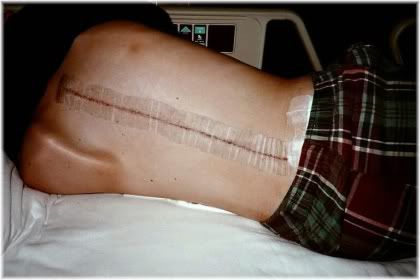
Most medical professionals will only consider spinal surgery when they believe that the benefits outweigh the risks, and when all attempts at previous treatments have been ineffective.
This is because there is a very real risk of paralysis occurring when undergoing spinal surgery, so this is not something that either a doctor or a patient would want to rush into unless it was absolutely necessary.
Botox
Botox can be used for the treatment of chronic neck and back pain, and also for headaches.
Due to its ability to selectively paralyze muscles, Botox can help to relieve muscle spasms and pains but without creating any numbness or analgesic effects like a local anaesthetic would.

When someone gets a disc herniation, for example, where the muscles shorten and go into spasm, one’s range of movement can be impaired and the patient will typically require the use of a painkiller to relieve chronic pain.
In such cases, Botox can be selectively injected into spasmed muscles to provide muscle relaxation, pain relief, increased range of motion and lessen the need for painkillers.

When used for this purpose, however, care must be taken where Botox is injected as targeting the wrong muscles could lead to muscle weakness and affects one’s posture or ability to walk.
When to Seek Medical Attention
In most cases, back pain is caused by muscle strains that affect the lower back. This usually occurs when a person lifts something heavy in an incorrect manner.
In cases such as this, there is little that a medical professional can do to treat your back pain other than to prescribe you pain killers or some soothing lotion or gel.

However, this is not to say that you should not report your symptoms, as symptoms which persist longer than one or two weeks, and do not get better on their own, may indicate serious damage to the back that could potentially progress into chronic back pain if left untreated.
You should therefore report your symptoms to your doctor if any of the following apply:
• Symptoms lasting longer than one or two weeks.
• Back pain that is accompanied by an inability to control your bladder or bowels.
• Back pain that is accompanied by chills, fevers, sweating, trembling or alternating hot and cold spells.
• Any unusual symptoms that you would not expect to be associated with a muscle or ligament strain.
Treatments For Spinal Injury
Although the vast majority of back pains are caused by minor muscle strains, some people suffer from a much more serious cause: damage to the spinal column.
Spinal injury is perhaps one of the most debilitating forms of back pain because it tends to come on suddenly, such as after an accident, and can leave a person completely incapacitated to the point where they become entirely dependent upon the help and assistance of others.
As a result, a person is left having to deal with not only the physical effects of their injury, but also the psychological effects, and so mental help support is usually provided during rehabilitation.
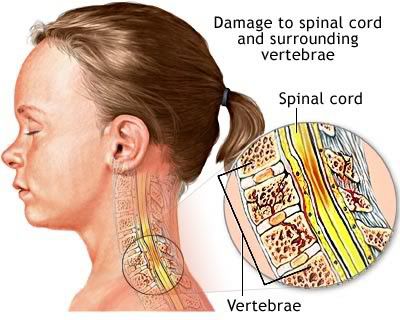
Initial treatment of spinal injury usually involves medical treatment which attends to any problematic areas that are within a surgeon’s power to fix. This may also include administering drugs to reduce inflammation and alleviate pain, and in the future, stem cell treatment.
After the initial surgical stages, however, treatment of spinal injury is then entrusted to people who use natural means to rehabilitate the patient. The ultimate aim being, for the patient to slowly regain control of their body and to start to live a normal life again.
Below, we will look at some of the main ways in which serious back problems and pain caused by spinal injury can be treated using these natural approaches:
Physical Therapists
A physical therapist is someone who has been trained to deal with people that have been injured as a result of an accident. Their job is to help the patient regain their strength and mobility as soon as possible.

Generally, physical therapy treatment involves undergoing a specialized exercise program using equipment designed to assist people who lack regular independent mobility.
The role of the physical therapist is to identify the areas of weakness that a person has, and then to improve their ability in that area over time.
For example, a therapist may choose to focus on stretching tight muscles and joints, because without the ability to stretch, you begin to lose mobility.
If a patient has been immobilized for some time, such as whilst lying in bed recovering, or has spent time in a wheelchair, the therapist may choose to work on building muscle strength as this will help to fight against any future muscle or joint pains.
Aqua Therapy

One of the main advantages of aqua therapy is that because you are in water, you become weightless. This means there is no weight pressing down on your joints, which subsequently makes it a lot easier and safer for those with a spinal injury to exercise.
Aqua therapy tends to be a very effective treatment for spinal injury and painful back muscles, as it helps to loosen the muscles and strengthen them in a non-impact environment.
Aqua therapy is also useful for carrying out spinal stretching exercises, as this can be done quite easily in water by floating on your back.
Ultrasound Treatments

Ultrasound is a high energy sound wave based treatment, that, amongst other uses, can help to repair damaged muscles and bones whilst relieving pain at the same time.
However, ultrasound tends only to be used for more serious back injuries, so don’t expect it to be used for minor back muscles strains.
Inversion Therapy
Whilst not suitable for all types of spinal injury, inversion therapy has become an increasingly popular treatment for back pain.
Inversion therapy essentially involves hanging a person upside down by their ankles, or tilting them upside down, whilst they are lying on an inversion table.
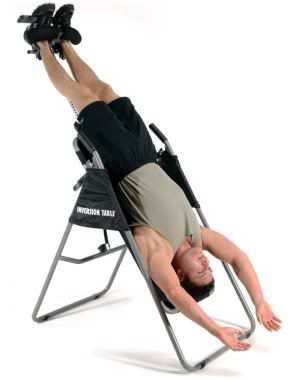
This helps to take the weight off the spine, thereby allowing the vertebrae to decompress from the weight that is normally applied to them. As a result, inversion therapy can be especially beneficial if your pain is being caused by vertebrae rubbing against each other.
Inversion therapy can also be used to strengthen and straighten the back if it is combined with inversion exercises. This can help to correct a poor posture, and also reduce the risk of suffering from back problems in the future.
One of the main advantages of inversion therapy is that an inversion table can be purchased at relatively low cost. This means that you can then carry out the treatment in the comfort of your own home to extend the benefits that you get from this therapy.
How to Prevent Back Pain
Preventing back pain is a far more desirable option than treating it. So if you can avoid doing the things which are likely to stress or injure your back, you will greatly minimize your risk of developing a back injury and requiring treatment.
However, it’s important to remember that no matter how careful you are, and no matter how many preventative measures you take, it is still possible to develop back pain at any age. All you can really hope for is to reduce your risk, rather than eliminate it completely.
Stand Properly
By standing properly you avoid placing unnecessary pressure on the back that could lead to lower back pain, neck pain and a poor posture.
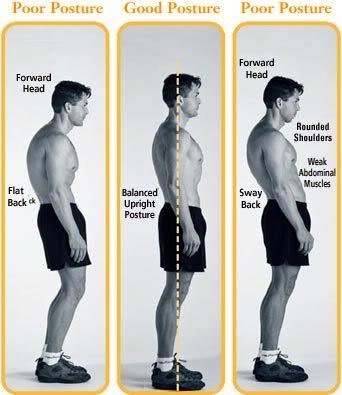
To stand correctly, separate your feet roughly shoulder width apart with your shoulders pulled back, and your head lifted upwards so that your nose is at a slight incline.
Avoid hunching your shoulders forward and hanging your head down, as this will strain the neck and affect the curvature of the spine giving you a hunchback like looking appearance.
When standing still, distribute your body weight evenly between both feet rather than leaning on one leg. Uneven leaning places strain on the back, which could cause muscular pains in addition to adversely affecting your posture.
Develop Good Desk Habits
For a large number of people, sitting at a desk for long hours is part of their normal everyday routine. Unfortunately, desks are also one of the most common causes of back pain and can even result in long-term chronic pain.
When sitting at a desk, your feet should sit squarely on the floor and not hang off your chair. Your buttocks and lower back should be pushed into the base of the backrest so that you can sit upright with a straight back and without slouching.
Your elbows, like your knees, should be bent at a 90-degree angle without creating tension in your neck or shoulder region.

Ideally, you should find a curved chair that provides you with proper support for your back, especially your lower back, if you will be sitting down for long periods during the day.
Orthopaedic chairs, sometimes called back chairs or posture chairs, as well as regular ergonomically designed chairs, can be used to provide your back with the level of support that it needs whilst also helping you to become more productive in your working environment.
To prevent upper back pain from occurring, position your computer monitor so that the top of the screen is roughly level with your eye line. This isn’t always possible with a laptop, so you may want to use a stand that raises your laptop at an upwards angle.
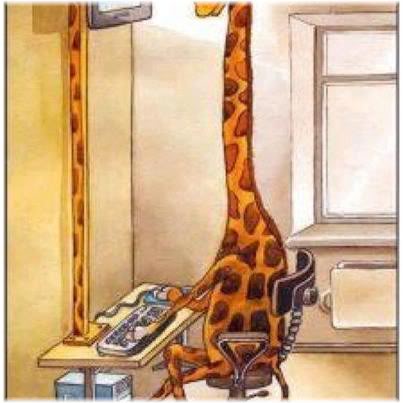
If you use a phone at your desk, hold it up to your head with your head facing forwards and avoid twisting your neck or your body to the side when taking a call.
In addition to these tips, it’s good practice to stand up and stretch your spine, say, every hour or so, by raising your arms to the ceiling. This can also be done from a sitting position, but standing up tends to be more effective.
Be Careful Lifting Heavy Objects
The biggest single cause of back pain is lifting things incorrectly. So whenever you lift an object, first bend your knees and then lift upwards, keeping your back straight with your head looking forwards.

Never lift a heavy object with a bent back, as doing so places tremendous pressure on the lower back which greatly increases the risk of an injury occurring.
Finally, if a load appears too heavy to lift by yourself, do not strain yourself trying to lift it. Either get someone to help you, or use a mechanical lifting device, such as a fork lift truck or pump.
Carry Things Correctly
You should never carry something so heavy that would be better carried by two people. Carrying objects which are too heavy for you, can cause your back to lean forward or backwards and place extra strain on your spine and muscles.
If there are obstacles in your way, and you have to maneuver around them, you could even twist your back and cause a very serious spinal injury.
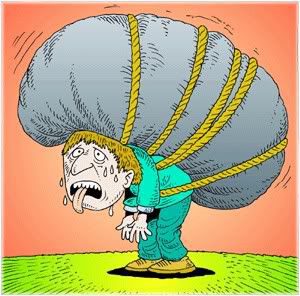
To prevent straining your back, make sure that your shoulders remain squared and that your hips are aligned with your ankles. If the object feels too heavy to carry on your own, or is of an awkward shape, get someone to help you.
When carrying bags, try to avoid carrying single shoulder bags or a heavy bag in a single hand, as the uneven weight distribution could easily strain the muscles of the upper back and lower neck.
Instead, use a two shoulder rucksack or try to distribute the weight you are carrying as evenly as possible across the body.
Avoid Overstretching
Another common cause of back pain, but one that is often overlooked, is stretching for objects. If you stretch too far, such as stretching while on tiptoe, you may strain a muscle in your back which can result in an immediate sharp pain.

This type of back pain is most likely to occur if you do not stretch or exercise regularly, or if you consume a mineral deficient diet.
To prevent injury from occurring, never stretch for something that is far beyond your reach. Instead, get a ladder, a stool or ask someone who is taller than you for assistance.
Do Some Exercise
Regular exercise helps to strengthen the bones and improve muscle tone, strength and flexibility, all of which, will benefit your back.
Aerobic exercise, such as walking, combined with anaerobic exercise, such as weight lifting, should be done 3-5 times a week on alternating days.
To increase the flexibility of your body and back, you may also want to consider doing activities such as aqua aerobics, yoga or Pilates.

If you already have a reasonable level of fitness, try exercises such as sit-ups, press-ups, leg squats, dead weight lifts and reverse sit-ups, as all of these exercises are good for strengthening the core of the body.
Anaerobic exercises are a very effective preventative measure against chronic causes of back pain, such as osteoporosis or spinal stenosis, because, over time, weight-bearing exercises serve to increase bone density.
However, whilst exercise can be beneficial for your back, it could also potentially injure it. So if you have not exercised in a long time, it is important to start slowly and to gradually increase the amount and intensity of exercise that you do as your fitness begins to improve.
Bone density can be further increased with proper nutrition, such as by incorporating calcium, magnesium, vitamin D3, phosphorus and vitamin K2 into your diet, or by taking these nutrients in supplement form.
Eat a Healthy Diet

The food you eat determines the health and resilience of your body. To find out more about how foods can be used to prevent or reduce your risk of back pain, please see the section entitled “Taking preventative measures with food” that was discussed earlier on in this article.
Lose Weight
Carrying around excess weight is a major contributing factor towards back pain. Not only does it mean that there is more pressure on your joints, but also a constant heavy pressure on your back that continually compresses the spine.
Put quite simply, if you are overweight then you stand an increased risk of developing back pain, and if you already have back pain, your extra weight is likely making it worse and could even cause it to develop into a chronic condition.
This is especially a concern for overweight women with large breasts, as the breasts themselves can cause further strain on the upper back thereby making such women more vulnerable to back pains than men or women with smaller breasts.
It stands to reason, therefore, that losing weight is one of the best natural treatments for back pain as it can help to benefit your back both now, and in the future, whilst also benefiting your general level of health in the process.
Get Some Rest
It may come as a surprise to you, but one of the most effective natural treatments for back pain is good old fashioned rest.
Rest can take the form of sitting down, or more commonly, lying down and getting some sleep. Sleep is especially important when it comes to making a speedy recovery, as it is during sleep that the body heals and repairs itself.
If you don’t get enough hours of sleep, the body simply doesn’t have enough time to repair itself which means that any injuries you are suffering from will take longer to heal.

By taking the time to rest, especially when lying in bed, you also take a large amount of weight off your spine which can reduce any pressure that was previously causing you pain.
In addition, when you are resting, you are also less likely to cause further injury to your back which subsequently reduces the risk of suffering from more serious back problems.
Further evidence to support the importance of rest as a means of healing, can be seen by the fact that rest is commonly recommended by medical practitioners for serious back problems, such as a slipped disk. So this natural treatment should certainly not be overlooked or underestimated.
Choosing a Bed For Back Pain
If you suffer from back pain regularly, then your bed may actually be to blame, especially if it’s an old bed as older mattresses are less likely to give your back the support and comfort it needs.
This is particularly true for overweight people, as their mattresses tend to have a much shorter lifespan than mattresses slept on by people who are not overweight.

Anyone who suffers from back pain on a regular basis should therefore seriously consider investing in the best quality bed that they can afford.
Doing so is likely to help your existing back condition, whilst also reducing the risk of more serious back problems occurring in the future.
Note: Before buying a new mattress be sure to visit your chiropractor, as they may be able to treat your condition or give you advice on the best type of mattress for your back.

Choosing a bed that will minimize the risk of back pain occurring is, however, a difficult task, and one that will require a little work and patience on your behalf.
Unfortunately, there is no universal ideal sleeping solution that you can use to find the best bed for your back, as what you find comfortable to sleep on may be different to what someone else finds comfortable to sleep on.
But with that said, there are a few things that you can look out for when buying a bed with your back in mind. Some of the most important considerations are listed below:
Mattress Firmness
The first factor to consider involves the firmness of the mattress that you will be sleeping on. An ideal mattress has a medium firmness so that your back can be properly supported, but not too firm so that you still find the mattress comfortable to sleep on.
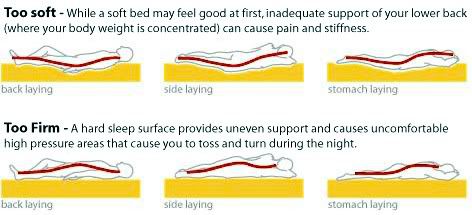
Any mattress that you purchase, however, should be tested before use. The best way to do this is to visit a showroom and lie down on a bed for at least 10 minutes in your normal sleeping position.
If you find the bed uncomfortable, choose another mattress as there is no point in purchasing something that you won’t be able to sleep on.
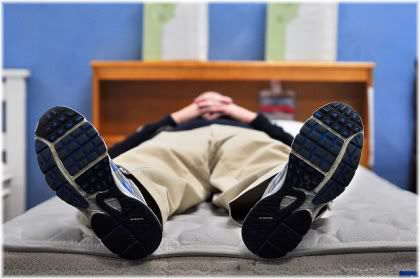
After you have purchased your mattress, it’s good practice to rotate it and flip it over every few months. This will extend the life of the mattress, and prevent it from sagging in the one area that you normally sleep in.
Frame Height
The height of your bed is extremely important if you suffer from back pain. If the bed is too low or too high, for example, then entering and exiting the bed can make your back pain worse. Or, it could even cause back pain if you are elderly or of below or above average height.
Size of Bed
If two people are sharing the bed, get the biggest bed you can so that you are both able to sleep in a regular position.
Pillows

Your pillow should be firm yet soft enough to be comfortable, and high enough to keep your head and neck aligned with your spine.
If you can feel your arm through the pillow, you would probably benefit from throwing that pillow away as it’s clearly not proving you with enough support.
If you have a spare pillow, try placing it between your legs while you sleep, as this will reduce pressure on the lower back.
Sleeping Position
Your favorite sleeping position may be causing you back strain. So try to find a position that puts the least strain on your back.
Generally, lying on your side with your head aligned with your spine, or lying down on your back with a lower back cushion if needed, tend to be the best positions to sleep in for back pain sufferers.
Videos

Reviewed – 30th March 2016