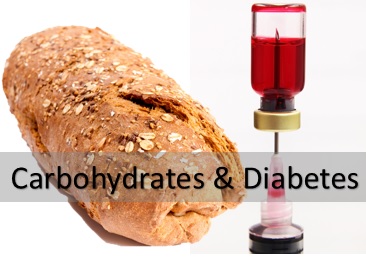
Carbohydrates are a name given to describe food that is either sugary (e.g., honey) or starchy (e.g., potatoes). There are two main types of carbohydrate: simple and complex.
Simple carbohydrates, such as sugar and flour, are digested by the body very quickly. This means that when you eat foods containing simple carbohydrates, you will get a short and rapid boost of energy.
It’s like lighting a firework, once you light it, you get a lot of immediate energy but it only lasts for a short time.
In summary, simple carbohydrates are…
- Usually the foods you love!
- Simple, so the body can use them quickly
- Usually taste sweet like sugar
- Provide a quick boost of energy
- Energy boost doesn’t last long
Complex carbohydrates are found mainly in vegetables, grains and brown rice. When you eat complex carbohydrates, the body takes longer to digest them resulting in a gradual release of energy over a prolonged period of time.

In summary, complex carbohydrates are…
- Usually the foods you hate!
- They are complex, so the body takes longer to break them down
- Mainly found in vegetables and rice
- Provide a gradual release of energy
- Energy supplied for a long period of time
Let’s now look at what happens when you eat carbohydrates, and how eating the wrong type can have negative effects on your health.
What Happens When You Eat Carbs?
Every time you eat carbohydrates the body breaks them down into a form of sugar called glucose.
Glucose is then burned and used as a source of energy. So when you eat carbohydrates, it’s like throwing wood on a fire. The fire burns the wood and uses it to stay alive.

As there is only so much glucose that the body needs or can use, any glucose that the body doesn’t need right away is converted to glycogen so that it can be stored as a reserve supply of energy.
This would be like keeping a few extra logs by the fireplace, which you can then use later when the fire is dying down.
However, as your glycogen reserves can only store a limited amount of energy, the body then stores any remaining excess glucose as fat. So the more glucose that you consume in your diet, the fatter you will become because the more energy your body must store.
As simple carbohydrates supply the body with a lot of glucose when they are digested, this type of carbohydrate can therefore lead to rapid weight gain.
Glucose and Insulin
What helps the body to use glucose is a hormone called insulin, which is secreted by your pancreas.
Insulin is a very important hormone, because high levels of glucose are dangerous and can damage the body. This means that insulin must be secreted after every meal to make sure that the food you eat doesn’t kill you!

The trouble with insulin, is that every time it’s released into the body your cells become more and more resistant to it. As a result, over time the pancreas will have to release more insulin than it used to in order for the body to use glucose and keep it at safe levels.
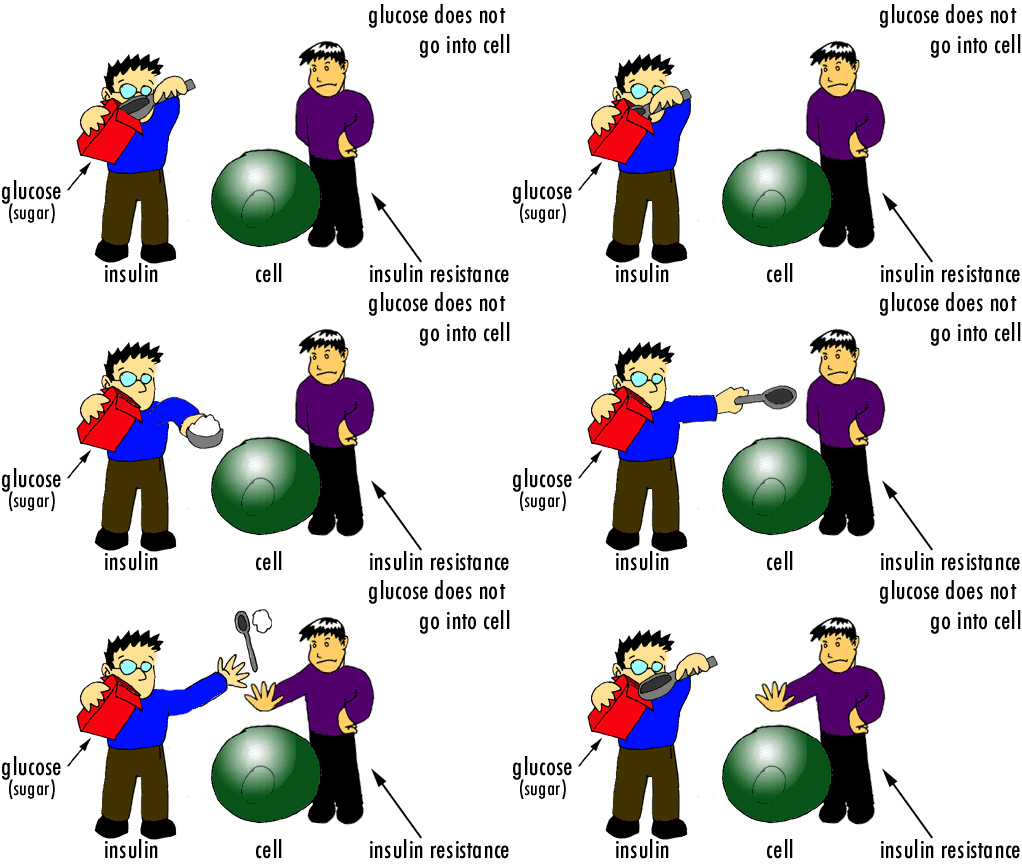
In the medical world, this is known as “insulin resistance”. It is unavoidable and happens to everyone.
Insulin Resistance
Whilst you cannot prevent insulin resistance, you can control how quickly it develops.
This is because different foods vary in the amount of insulin that they cause the pancreas to release after they are eaten. The worst offenders when it comes to the development of insulin resistance, are the simple carbohydrate foods.

These foods have a high glycemic index, which means that when you eat them they cause a large and rapid release of insulin in the body. The significance of this is that the more insulin your cells are exposed to, the more rapidly they will develop insulin resistance.
One of the most noticeable signs that the process of insulin resistance is occurring is the accumulation of excess fat. Or in other words, weight gain.
Weight Gain & Insulin Resistance
Although there are many signs of insulin resistance, an increasing level of resistance can easily be seen in males and females in two places:
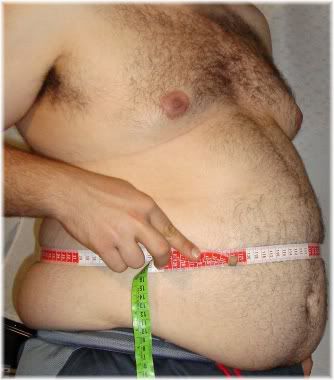
If you’re a male, the first signs of insulin resistance begin in the belly. If you can’t see your toes, for example, then there’s a very good chance that your cells have already developed a high level of insulin resistance which is now causing you to have a fat stomach.
If you’re a female, have a look at your bum! Insulin resistance in females often appears as fat accumulation in the buttocks first, and then later, around the thighs and waist.

The reason we look at body fat to indicate the level of insulin resistance, is because insulin has the ability to prevent the body from using stored fat as a source of energy and it also plays a role in the deposition of fat.
This means that if you are eating lots of simple carbohydrate foods throughout the day which have a high glycemic index, then your insulin levels will be high and so your body will continue to store fat rather than burn fat.
This is why models and actors often go on a low carb diet, because doing so prevents excess fat accumulation whilst also allowing for existing fat deposits to be burned off and used as energy. Once that happens, a person starts to lose weight very quickly.
What’s so Bad About Insulin Resistance?
Over time with continual exposure to insulin, your cells get more and more resistant to it. This means that the pancreas has to secrete more insulin in order to have the same effect that a smaller amount used to have.
When your cells get to a point where they are no longer responsive to insulin, or the pancreas can’t secrete enough insulin for it to be effective, you will become diabetic.
In the medical world there is already much concern for the current generation of young children, who many doctors fear are already borderline diabetic due to the large amounts of candy and soft drinks that they consume.

Some even speculate that in the future there may be an explosion in the number of diabetics. Interlinked with this is the rising obesity crisis, which is often interwoven with diabetes and heart disease.
Health Effects of Eating Too Many Carbs
We have already established a link between the consumption of simple carbohydrate foods and an increased risk of diabetes, obesity and heart disease.
However, these diseases only tend to appear with high levels of insulin resistance, and therefore, tend to occur at a later age in life.

Below you will find listed some of the negative health effects that can occur when eating too many carbohydrate rich foods.
All of these symptoms are often a sign of pre-diabetes, which basically means that you are on the verge of falling into a full-blown diabetic disease.
Let’s have a look at some of these pre-diabetic symptoms now:
1) Fatigue

Commonly associated with insulin resistance. If you constantly feel tired and lack energy throughout the day, or parts of the day, you could be suffering from fatigue. Fatigue is one of the first signs that you are on your way to developing diabetes.
2) Brain Fog

Poor memory, brain fog and a lack of concentration are all signs of insulin resistance. Brain fog often occurs shortly after eating simple carbohydrates, and so should be relatively easy to spot.
Pay attention to when you get brain fog, as it will usually occur after eating certain types of foods. These foods will also likely be the foods that put you at greatest risk of developing diabetes.
3) Intestinal Bloating & Gas

Most intestinal gas is produced via fermentation from bacteria feeding on carbohydrates in the large intestine. If you have a lot of gas, you are eating too many sugary carbohydrates and are therefore increasing your risk of developing diabetes.
4) Sleepiness

Many people feel sleepy after eating a meal, which usually occurs after eating carbohydrates such as pasta.
Pasta contains exorphins, which are a natural sedative, and due to pasta (white) being a simple carbohydrate (i.e., white flour), it also causes a sudden rise and fall in blood glucose levels.
Both of these factors combined can leave you feeling very sleepy shortly after a meal.
5) Depression

Even though carbohydrates make you feel good when you eat them, they are in fact a natural downer as they can adversely affect your mood after they are eaten and even increase your level of aggression towards others. Many people suffering from depression also have insulin resistance and eventually develop diabetes.
6) Cancer

When certain carbohydrates are heated or fried (especially potatoes), they produce high levels of a cancer causing substance called acrylamide. This, however, can also occur when meat is fried at high temperatures.
Furthermore, as we shall discuss shortly, sugar (i.e., simple carbs) can weaken the functioning of the immune system which can also increase your risk of cancer.
7) Growth of Bad Bacteria
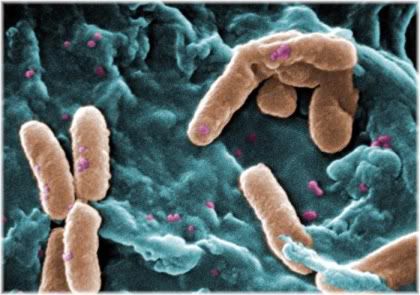
Bacteria and yeast love sugar, and so eating lots of sugary food (including fruit and fruit juices) will promote their growth. This can lead to yeast infections such as candida and chronic bad breath.
8) Weakened Immune System
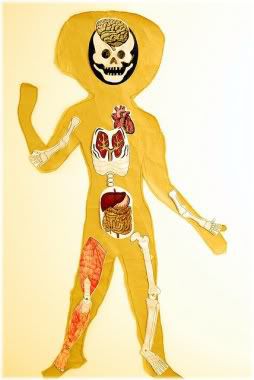
Eating sugary food can impair the functioning of your immune system by as much as 50% for up to 3 hours. This makes you more susceptible to disease and infection.
9) Hair Loss

Sugary foods cause scalp inflammation which causes the body to attack hair follicles in an autoimmune response. This often occurs as “scalp pains” followed by hair loss in the same area.
Carbohydrates also reduce globulin levels. This can cause hair loss because globulin helps lower dihydrotestosterone (DHT) levels. This means that eating lots of carbohydrates will accelerate hair loss.
10) Lowered Growth Hormone

In the book “Life Without Bread” (Christian Allan & Wolfgang Lutz) (Chp. 3, p.22-31), the authors state that eating too many carbs disrupts the hormonal balance in the body. One of the effects of this is lowered levels of growth hormone.
When a low carbohydrate diet is adopted, however, levels of growth hormone increase. This has the effect of reducing body fat, increasing muscle mass (even if you aren’t exercising), making fingernails & hair grow faster, and an improvement in the quality of skin.
For men, the authors state that this increase in growth hormone is unlikely to regrow back lost hair, but it will stop the hairline from further receding. So if your hairline is receding, a low carb approach seems to be the best way to go.
11) Other Effects
Some of the other side effects caused by eating carbohydrates are:
- Damage to teeth and gums
- High blood pressure
- Poor eyesight (diabetic retinopathy)
- Diabetes
- Obesity
- Accelerated aging
- Heart disease
As you can see, carbohydrates, and the accelerated insulin resistance they cause, can result in many negative health effects within the body.
However, these effects are largely associated with the consumption of high carb foods or foods that have a high glycemic index. Complex carbohydrates, such as green vegetables like broccoli, are generally not a risk factor in the development of diabetes for most people.
Is a Zero Carb Diet the Answer?
There is much debate about whether carbohydrates are good or bad for you. Some people believe they are so bad that they should be completely eliminated from your diet. This point is debatable, and there are compelling arguments for both sides.
My current view at this point in time, is that eating fewer carbs, rather than more carbs, is healthiest for the body.
This is based on reading several books on the subject, most notably, “Nutrition and Physical Degeneration” by Weston Price, and “Why We Get Fat and What to Do about It” by Gary Taubes.
If you haven’t read either of these books, you simply can’t make an informed decision about the optimal level of carbohydrates that a diet should contain.

If you would like more information about a zero carb diet, I suggest you read this excellent article on the dangers of carbohydrates.
It also discusses the history of the food pyramid, upon which much of our food recommendations are based, and how and why the pyramid did not start out the way it appears today.
But overall, the general gist is this: the more simple carbohydrates you consume the worse your health will become and the quicker you will age.
This occurs via a gradual process of insulin resistance, and it usually takes decades before a full-blown disease, such as diabetes or heart disease, develops.
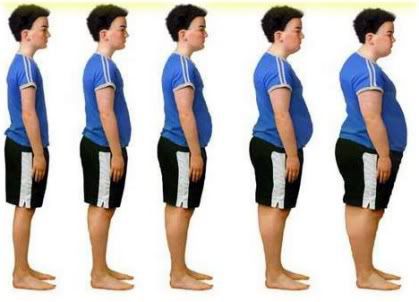
The only warning signs that you will have of this occurring is the visible accumulation of excess fat on the body. In men, this is first evident along the abdomen, and in women, on the buttocks.
Recommendations
If you currently eat a high carbohydrate diet, have large amounts of abdominal or buttock fat, or experience any of the signs of insulin resistance which were previously listed, you should strongly consider reducing the amount of carbohydrates that you consume.
It would also be wise to be selective over which carbohydrates you eat, paying particular attention to simple carb foods that have a high glycemic index.
Unfortunately, this means most of your favorite foods! So ice cream, cookies, potato chips and soft drinks should all be avoided or severely limited.

If you are a parent, closely monitor what your children are eating, especially if your children are already overweight. This is most relevant for parents in the US or UK, where childhood obesity is a growing and extremely serious problem.
In addition to this, it’s also a good idea to ensure that you exercise regularly. Anaerobic (e.g., weight lifting) and aerobic (e.g., running) exercise has been shown to promote healthy insulin levels and lower your risk of diabetes.
Hopefully by now you should have a better understanding of why simple carbohydrate foods should be avoided as much as possible.
To help you make changes to your diet, below you will find a glycemic index chart of some common foods. Ideally, you want to be eating low glycemic foods as much as possible and high glycemic foods as little as possible.
Glycemic Index Chart of Common Foods
| (higher numbers cause faster/higher blood sugar/insulin rise) | ||||
| 10-29 good | 30-49 ok | 50-64 marginal | 65-79 bad | 80-100+ bad |
| Grains | ||||
| Uncle Ben’s Conv 44 Noodles (instant) 46 Bulgur 48 | Buckwheat 54 Brown Rice 55 Lg grain White Rice 56 Basmati Rice 58 | Taco Shells 68 Sht grain White Rice 72 | ||
| Cereals | ||||
| Kellogg’s Bran Buds 45 Oatmeal 49 | Kellogg’s All Bran 51 Kellogg’s Special K 54 | Shredded Wheat 67 Quaker Puffed Wheat 67 | Kellogg’s Rice Krispies 82 Kellogg’s Cornflakes 84 | |
| Breads | ||||
| Sponge Cake 46 | Pumpernickel Bread 51 Sour Dough Bread 52 Stone Gr Whole Wheat 53 Pita Bread 57 Blueberry Muffin 59 Pizza (cheese, tom) 60 | Croissant 67 Whole Wheat Bread 69 White Bread 70 Bagel 72 Waffles 76 Donut 76 Rye Bread 76 | ||
| Pasta | ||||
| Fettuccini (egg) 32 Ravioli (meat) 39 Spaghetti 43 Spiral Pasta 43 Capellini 45 Linguine 46 Macaroni 47 | Rice Vermicelli 58 | |||
| Legumes-Beans | ||||
| Red Kidney Beans 27 Soy Beans 18 | Lentils 30 Cannellini Beans 31 White Beans 31 Lima Beans 32 Garbanzo(Chickpeas) 33 Navy Beans 38 Pinto Beans 39 Baked Beans 48 | Broad Beans 79 | ||
| Vegetables | ||||
| Broccoli 10 Cabbage 10 Lettuce 10 Mushrooms 10 Onions 10 Red Peppers 10 | Carrots 49Green Peas 48 | Sweet Potato 54 Corn 55 Potato (new) 62 | Beets 69 Potato (french fries) 75 Pumpkin 75 | Potato (mashed, instant) 86Potato (red skinned) 93Potato (baked, white) 93Parsnip 97 |
| Fruits-Berries | ||||
| Cherries 22 Grapefruit 25 Pear 38 Apple 38 Plum 39 Orange 44 Grapes 46 | Kiwi 52 Mango 55 Banana 55 Papaya 58 | Cantaloupe 65 Pineapple 66 | dried dates (103)Watermelon 103 | |
| Cookies-Crackers | ||||
| Oatmeal Cookies 55 Shortbread Cookies 64 Stoned Wheat Thins 67 Ryvita Crispbread 69 | Melba Toast 70 Kavli Crispbread 71 Soda Graham Crackers 74 Crackers 74 Vanilla Wafers 78 Water crackers 78 | Rice Cakes 82 Rice Crackers 91 | ||
| Beverages | ||||
| Milk (whole) 22 Soy Milk 31 Milk (skimmed) 32 Milk (chocolate flavored) 34 | ||||
| Snacks-Desserts-Condiments | ||||
| Yogurt Plain 14 | Peanuts 14 Walnuts 15 Cashews 22 Yogurt (low-fat) 33 | Snickers Bar 41 Chocolate Bar 49 Ice cream (low-fat) 50 Popcorn 55 Potato Chips 55 Power Bar 58 Ice Cream (whole) 61 | Rasins 64 Corn Chips 72 | Jelly Beans 80 Pretzels 83 Tofu Frozen Dessert 115 |
| Sugars | ||||
| Fructose 23 | Lactose 46 Honey 58 | Sucrose 65 | glucose 100 maltose 105 | |
How to Reduce Your Risk of Diabetes
Diabetes mellitus is a metabolic disorder which affects blood sugar levels, of which, there are two main types: Type 1 & Type 2.
Type I Diabetes
Type 1 diabetes usually occurs in young children as a result of a virus or an autoimmune disorder which destroys the body’s ability to produce insulin. As a result, people with Type 1 diabetes must take insulin injections for the rest of their life.
Types II Diabetes
Type 2 diabetes occurs most commonly in middle-age as a result of a poor diet and unhealthy lifestyle which subsequently reduces the efficiency of insulin to control blood sugar levels.
Type 2 diabetes used to be called “adult onset diabetes”, but because so many young people were developing diabetes, the name was later changed to Type 2.
Unlike Type 1 diabetes, however, Type 2 diabetes can be prevented and managed by making lifestyle changes such as those which are listed below:
1) Lose Weight
The fatter you are, the higher the level of insulin resistance you have. So a fat body indicates that you are eating too many simple carbohydrates and are storing more energy than you burn off.
You need to lose this extra fat, because with each passing decade you bring yourself one step closer to developing full-blown diabetes.

However, if you find that you can eat whatever you like without putting on excess weight, this doesn’t necessarily mean that you are not at risk of developing diabetes.
Some people, for example, develop what is known as intra-abdominal fat. So rather than accumulating visible fat which can be seen as fatty skin, they develop fat around their internal organs.
Intra-abdominal fat can be just as deadly as regular fat. So if you are eating an unhealthy diet, but don’t find yourself putting on extra weight, you may want to speak with your doctor to get yourself checked out.
2) Exercise
Exercising for 30 minutes, five times a week, can half your risk of developing diabetes. Ideally, this exercise should make you sweat, but if you don’t have time to exercise for so long, just make sure that you keep yourself active throughout the day.

This form of exercise is called non-exercise activity thermogenesis (NEAT), and can reduce your risk of developing diabetes simply by you being active during a normal working day.
If you find that you are very active throughout the day, but are still overweight, be aware that exercise is not a very effective means for weight loss although it does still offer many health benefits.
Making a change to your diet, such as by cutting out sugar, will be much more effective than exercising regularly but continuing to eat an unhealthy diet.
3) Lift Weights

Lifting weights helps to develop muscle mass, which then increases the rate at which you burn fat whilst also helping your body to use insulin more effectively. If you don’t have weights, use your own body weight by doing press-ups or squats.
4) Cut Out the Carbs

As we have already discussed, refined or simple carbohydrates are a major contributing factor towards the development of diabetes. You should therefore try to avoid any form of sugar or flour based food, and only eat complex carbohydrates such as green vegetables.
5) Avoid High Fructose Corn Syrup
Although people used to eat a moderate amount of sugar in the past, most did not develop diabetes. Apart from the fact that they did not eat so much sugar as we do today, the type of sugar they ate was different.
Today, we tend to eat a lot of high fructose corn syrup or glucose fructose syrup, instead of the natural sugars which people used to eat.

The trouble with these artificial sugars, is that the body can’t deal with them in the same way that it does with natural sugars.
This makes artificial sugars the biggest single cause of obesity and diabetes, and should therefore be completely avoided if you are trying to reduce your risk of developing diabetes.
Other artificial sweeteners, however, such as aspartame and sucralose, will not increase your diabetes risk. But they do have many other adverse health effects and so should also be avoided as discussed in this article.
6) Stop Smoking
Smokers are almost twice as likely to develop diabetes than non-smokers, so you can reduce your risk simply by quitting or cutting down.

One of the main reasons why smoking tends to increase one’s risk of diabetes, is because tobacco, especially American grown tobacco, usually contains a lot of sugar.
If you can’t stop smoking, try smoking a natural additive-free tobacco instead, such as American Spirit or Pueblo tobacco, as these don’t contain any added sugar.
7) Take Vitamin Supplements

Nutritional supplements such as zinc, magnesium, vitamin D, green tea extract, cinnamon and chromium can help your body to better control blood sugar levels and thus reduce your risk of developing diabetes.
8) Avoid Drinking Milk
Studies have found that a certain protein in milk (insulin like growth factor, IGF-1) is almost identical to a protein on the surface of insulin producing cells.
Drinking milk could therefore cause the body to destroy its own insulin producing cells, leading to type 1 diabetes (insulin injections for life).
Since there seems to be a strong link between this milk protein and the development of heart disease and diabetes, it would be best to stop drinking milk completely if you are trying to reduce your risk of diabetes.
Videos




Reviewed – 30th March 2016