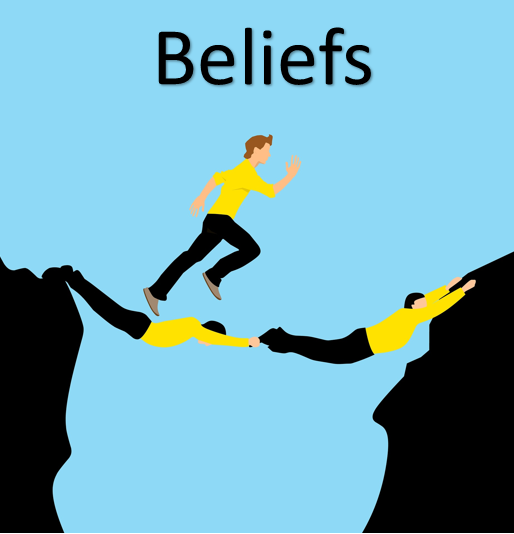
When a hypnotist hypnotizes someone, they implant a belief into the person’s mind which influences how they think and how they behave. For example, a person could be hypnotized to think that a potato is an apple, or that a feather is so heavy they cannot lift it. These implanted beliefs edit their reality, and by doing so, edit what they can and cannot do.
In exactly the same way, people can become hypnotized throughout their life with the ideas they accept from others and the ideas they regard to be true.
See Also: Self Sabotage & The Subconscious (opens in new tab)
Some of these beliefs can be positive and expand a person’s life by opening up new possibilities to them, whilst other beliefs can be negative and limit a person’s life by restricting what they believe they are capable of.

What this all means is that the person you are today, and the things you have and will achieve in your life, come as a direct result of the beliefs which have been implanted in your mind.
The question is, what sort of beliefs do you have implanted in your mind? And how are these beliefs affecting your life?
The Importance of Your Beliefs
A belief is something that you regard to be true, either about yourself or the way that the world works. Our beliefs, however, may not always represent accurate reflections of reality.
Hundreds of years ago for example, people used to believe that the earth was flat, and that if you sailed far enough, you would eventually fall off the edge of the earth.
Today, however, we know that this is not true. Such beliefs which are not correct are known as “false beliefs” because they provide an inaccurate representation of reality and therefore lack validity in the real world.

Beliefs are therefore extremely important when it comes to understanding your own development as a person. This is because the thoughts that you have, and the ideas you hold to be true, play a big influence in determining the type of things you do throughout your life, and consequently, the level of success that you feel is possible for you to achieve.
Suppose, for example, that a person believed that to be successful in life they needed a college degree. But since they never went to college, they believe that the best they can ever hope for is to work at a low paying job. As a result of their belief, that is probably what they will end up doing for the rest of their life.

But now suppose that they hear a story about someone who didn’t have a college degree, and then went on to become a multi-millionaire.
Soon afterwards, they hear more stories that provide them with more examples of such people. What do you think would happen?
In all likelihood, they will start to question their original belief that you need a college degree to be a success in life, and as a result, that belief will start to change to accommodate the new information they have discovered.
As a result, their thoughts and actions will also begin to change, which may then result in them looking for higher paying jobs or even setting up their own business.
Nothing else changed in their life, except for the beliefs which they held to be true and the subsequent actions which came from those beliefs.

This is why examining your beliefs is so important, because if you don’t, you could end up living far below your true potential and never achieving what you’re truly capable of.
The Power of Beliefs
Some people think that despite having limiting negative beliefs about themselves, they can still achieve what they want to achieve through sheer determination and will power.
Unfortunately, this is not true, as once a limiting belief has been accepted it becomes ingrained into the subconscious mind where it then forms part of that person’s belief system.
Later, should that person begin to experience success or happiness which is inconsistent with their subconscious beliefs, they will often “sabotage” themselves, and by doing so, bring them back down to the level where they subconsciously believe they should be at. This is known as self sabotage.
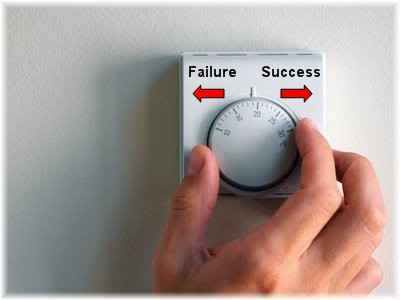
On the other hand, a positive empowering belief can enable a person to do or achieve things which others would regard as being impossible.
For example, there are many instances of people who have displayed superhuman strength when they were confronted with a life or death situation, such as one woman who lifted a car off her trapped child.
Another example can be found with the story of the four-minute mile. Before Roger Bannister ran a mile in under four minutes, most believed that it was impossible to do.
But as soon as he broke that barrier, other runners were soon able to do the same and eventually beat his time.

Examples such as these show us that humans have incredible amounts of untapped power within them, and that these powers can either be locked away, or set free, by the beliefs you hold in your mind.
Belief and behavior
When a person believes something to be true, regardless of whether or not it is true, they will act as if it is true and look for evidence to support their belief. So should a person accept something which is false, their thoughts and behaviors will be driven by that false belief.
What is even more dangerous, however, is that a person who believes something to be true becomes convinced that what they believe is correct.
They become certain in their belief, and unless some extraordinary event proves to them otherwise, no one will be able to persuade them that what they believe is not an accurate representation of reality.
This false assumption of certainty, therefore presents one of the biggest barriers to overcoming negative limiting beliefs, as how can you convince someone that what they believe about themselves is wrong when they are certain that it is right?
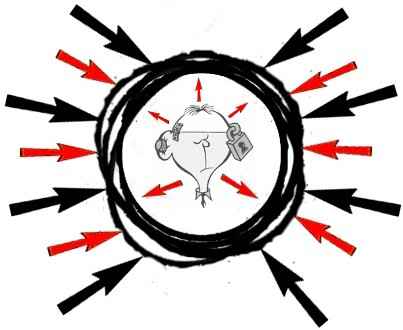
Since many of our thoughts and actions come as a result of the false beliefs we have incorporated into our subconscious mind, it is therefore extremely important that you never assume what you currently hold to be true, as being 100% true, because by doing so, you automatically erect a barrier around that belief which will prevent you from changing it.
Rather, you should hold in your mind the possibility that you have been hypnotized by false beliefs, and that these beliefs may be preventing you from realizing your full and true potential in life. Only once you have formed this new belief, will you then start to be able to positively change your other beliefs.
Where do Beliefs Come From?
Most of the beliefs that people have about themselves were formed during their early childhood. The reason for this is that as children we had no preconceived beliefs, and therefore, the experiences we had as children were the only information available to us with which we could form beliefs.
Since we had nothing to compare those experiences against we automatically accepted them as being true, and the more examples we were provided of something, the more that belief was reinforced in our mind and the stronger it became.

For example, if a child is continually told that they are a “stupid idiot”, they will probably grow up to believe that they are stupid and so will do stupid things.
Since they have been told this so many times, there would be no reason for them not believe that what they have been told is not true unless someone tells them that they are not stupid.
All of the things that we believe to be true as children ultimately end up creating a “scaffold” of primary core beliefs, which we then use to analyze and interpret new incoming information.
Depending on the quality of beliefs that you formed as child, this scaffold can either build you a life filled with success and happiness or a life filled with failure and unhappiness.
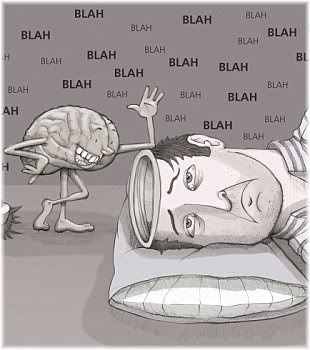
There are two main sources that our beliefs can come from during childhood:
1) Parents
When you are born into the world you arrive with a blank slate, or, as some psychologists would say, “tabula rasa”. You have no preconceived ideas about the world, how it works and you believe that anything is possible.
However, as a survival mechanism human beings are genetically programmed to mimic or model those around them, and as a result, are extremely susceptible to external influences.
These influences first come in the form of our parents. As we grow older, we learn from our parents what we can and can’t do. In short, we adopt their belief systems, which in turn filters our reality and therefore how we view the world.
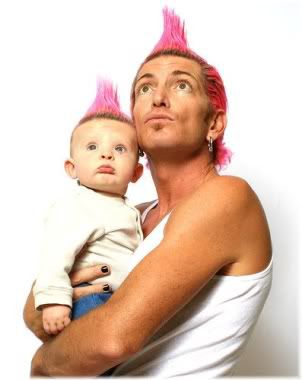
Are you generally an optimistic person or are you negative most of the time? Are you a calm person or do you have a bad temper? Compare your characteristics to those of your parents, and see how many belief systems they passed onto you.
Like most people, you will probably discover that you have many similarities to your parents, or that you used to have many similarities, and that will show you just how powerful of an influence your parents had on determining the type of person you are or used to be.
2) School
Another major factor that shapes the things we believe to be true is the time we spend at school undergoing formal education, and this can come in two forms.
The first, are the things our teachers tell us about the subjects we learn about. For example, it used to be taught that once neurons in the brain die you cannot grow new neurons. But now we know that this is not true, as neurons are continually growing and changing throughout the course of our life.
The second major influence during our school years comes from our classmates. People who are teased about their appearance for example, may later grow up with feelings of inadequacy as a result of what their classmates said to them. Whereas popular children are likely to grow up feeling confident with who and what they are.

What is important to understand from these two influences, your parents and your school years, is that the beliefs that you formed during this period essentially created a set of rules within your mind that edited your reality and filtered how you perceived the world.
Some beliefs allow you to filter the world in a way that makes the achievement of success much more likely for you, whilst other beliefs, will filter the world in a way that makes it much more difficult for you to achieve success.
Therefore, if you can change your belief systems you will also change how you filter the world, and ultimately, how you live within it.
Firm Believers and False Certainties
The degree to which you dehypnotize yourself from your false beliefs will be in direct proportion to the amount of truth that you are willing to accept. Regardless of whether you like that truth or not.
By accepting the truth, you automatically remove false beliefs that may have been implanted in your mind (and their associated thought patterns and behaviors), and replace them with true beliefs which you know to be true and are willing to accept.
It is only from these true beliefs that your true potential will be realized, because truth cannot be found within the illusion created by false beliefs. But in order to awaken this potential, you first need to understand the different types of beliefs and how they can be changed.
Positive & Negative Beliefs
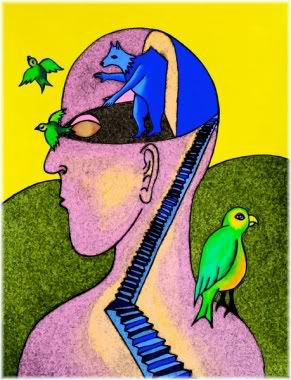
Beliefs are any kind of information that the conscious or subconscious mind has accepted as true. They can broadly be divided into two groups:
1) Positive
Positive empowering beliefs enable your life to grow and expand, and are typically characterized by open and free thinking. For example, “I believe I am capable of accomplishing anything“, would be an example of a positive empowering belief.
Positive beliefs set no limit on what you believe you can achieve, and therefore do not impose any limitations or restrictions on your thoughts or actions. This type of mindset thinks that there is always a way that something can be done.
2) Negative
The second group of beliefs are negative limiting beliefs, and are characterized by closed and restrictive language. For example, “I could never do that, I’m just not good enough“, is typical of a negative limiting belief.
These types of beliefs tend to prevent a person from physically going after their goals, and if they do try to achieve their goals, it will usually be done half heartedly and with the expectation of failure.
In this way, negative limiting beliefs can prevent external success in the world by preventing internal success in the mind.
Do your beliefs imprison or empower you?
Unfortunately, the most common type of beliefs that people have are limiting negative beliefs. These can cause people to become imprisoned by the things they believe in, only seeing what their beliefs allow them to see and rejecting everything else.
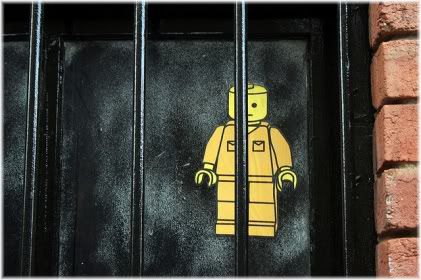
A good example of how beliefs can imprison you can be found with “firm believers”. These types of people have a firm belief about something, and are unwilling to listen to or explore other ideas that are outside their belief. They know they are right, and everything else is wrong.
Generally, such people like doing things in an old-established way, in a way that they are used to and have always done. Anything new presents a threat to them, makes them feel uncomfortable and causes them to reject it.
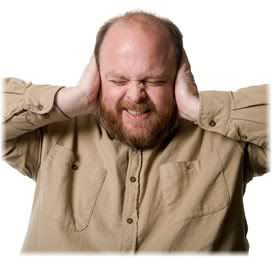
The trouble with firm believers is that they are very unwilling to change their mind about something once they have formed an opinion about it.
They only recognize what lies within the walls they have constructed around their beliefs, which then prevents them from exploring any truth that lies outside the wall. These false assumptions of certainty therefore make them ignorant of the true reality of the world and the true reality of themselves.
A false assumption of certainty
A false assumption of certainty is something that you regard to be true, but is in fact false. These false certainties can present a barrier to self-improvement, because they tend to distort reality and lead to self-deception.
False certainties cause you to view things in the way you want to see them, rather than how they really are. By doing so, they blind you to the truth by showing you an illusion.

Since a person can only truly change their life once they become fully aware of the person they are, it is therefore important to accept the possibility that many of the things which you regard to be true about yourself may actually be false.
This understanding is often referred to as your “level of consciousness”, which simply describes how enlightened or aware you are of the truth about yourself and the world you live in.
You level of consciousness is determined by many factors, some of which include:
- All the things you have learned in your life.
- Your friends and family.
- Experiences you have had throughout your life.
- Successes and failures you have had.
- Your religious beliefs.
All of these factors will, in some way, shape and form your current level of consciousness. This then determines what you accept, and what you reject, into your mental and physical world.
The most influential years of your life, in terms of expanding your level of consciousness, occur during your childhood and teenage years of life.
After this period, many people find it hard to expand their consciousness because they live a life driven by habits, and as a result, they tend to keep the same limiting false beliefs they picked up during their childhood.
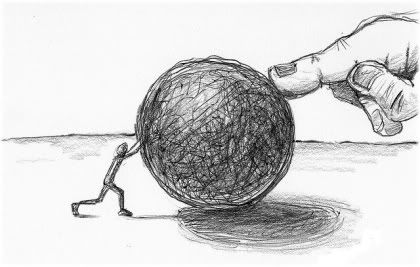
This can lead to a lifetime of unfulfillment and dissatisfaction where they never see the true reality about themselves, and so consequently, never see what they are truly capable of.
Why it’s Hard to Change Negative Beliefs
In order to remove negative limiting beliefs, one needs to expand their level of consciousness to the point where they become able to see through the illusion cast upon them by their false beliefs.
This, however, can sometimes be difficult to do, as there are certain things which can hold back a person from changing the way they view something. Some of the most common reasons why this can occur are listed below:
1) A Mind Filled With False Beliefs

All the things we think about and imagine, are based on what we presently believe to be true. Even though we may have a false belief, if we regard it to be true, then we will act as if it is true.
So if a person’s mind is filled with false and limiting beliefs, then those beliefs can end up controlling how that person thinks and how they act.
2) Too Much Time and Effort

Change takes time and effort. It is far easier to give a reason or excuse why we shouldn’t do something, or why something wouldn’t work, rather than to put the time and effort in to find out through trial and error. This can cause people to fail even before they begin.
3) Accepting What we Like, Rejecting What we Don’t

People have a natural tendency to accept the things which agree with their current beliefs, and to reject the things which disagree with their beliefs.
So if a person’s mind is filled with false beliefs, then they may reject or resist any true information which conflicts with their pre-existing beliefs.
4) Conditioned Behavior

Humans become conditioned throughout their life to respond in predictable ways. These responses can be mental, physical or emotional, and can cause people to automatically reject new information.
For example, a person who automatically gets angry and defensive when you try to tell them how they could do something better, or improve themselves, is never likely to learn from any beneficial information they hear because they have been pre-programmed to automatically reject it.
5) Believing What Other People Believe
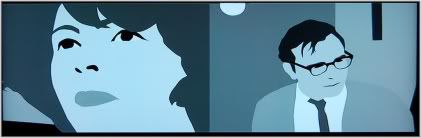
People tend to believe what other people believe, and the more people who believe something, the more believable it becomes.
As a result, things which are regarded as being “common knowledge” can result in someone automatically accepting that information as being correct, even though it may be false.
6) Having an Excuse

Some people feel that they can’t do or achieve something because they have a problem which is unique to them. They feel that their problem is so limiting, that they can use it as an excuse for not being more successful life.
Essentially, such people will use their limitation as a justification for the way things currently are, which then prevents them from taking further action to change their life for the better.
7) Pleasure & Pain
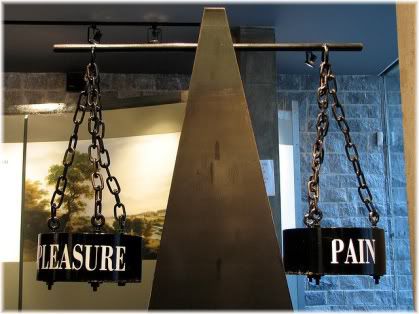
Sometimes, the true reality of a situation may be uncomfortable or painful to deal with. So rather than confronting that pain, it’s often much easier to stick with the comfortable illusion that false beliefs provide.
8) Conforming to Others

Humans are taught to conform to the wishes and desires of others from childhood. As a result, when a child becomes an adult, they may resist believing in something which goes against the crowd for fear of being ridiculed or rejected.
How to Expand Your Consciousness
Because everything that you accept or reject into your life is determined by your current level of consciousness, in order to improve your life, you need to expand your level of awareness about yourself and your surroundings.
By doing so, you will remove the mistaken certainties that have been holding you back from becoming the person you know you are and can be. Some of the ways that you can do this are listed below.
1) Don’t Assume it’s Right or Wrong
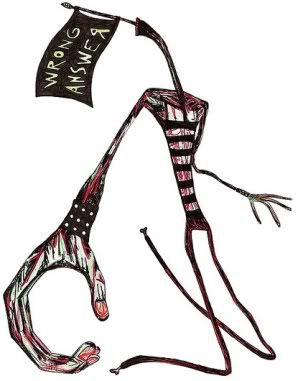
Stop automatically defending your views as being right or wrong, because by doing so, you block the input of new ideas. Always be open to the possibility that what you currently believe to be true, may in fact be false.
2) Determine Who You Are
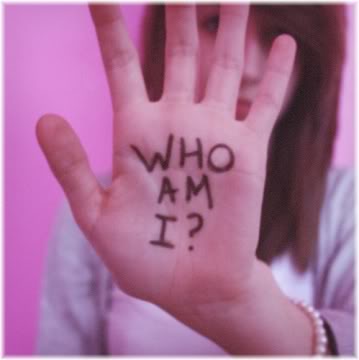
Think about the person you are. Ask yourself, what do you stand for? What do you believe in? What do you want out of life? Now compare this with the person you are today, do they match?
If you are living a life that is inconsistent with what you want, then this may indicate a lifestyle that is being driven by the acceptance of limiting false beliefs. Examine those beliefs, are they really true? Are they really your beliefs, or did someone else implant them?
3) Find Out What Makes You Feel Alive

Think about the things that motivate you and the things you enjoy the most. What makes you feel alive? Are you currently living this way? If not, how can you begin to live this way?
Find something that motivates you, something you strongly desire to have or to avoid. Finding your motivation can be an extremely powerful way to expand your consciousness.
4) Trust Yourself
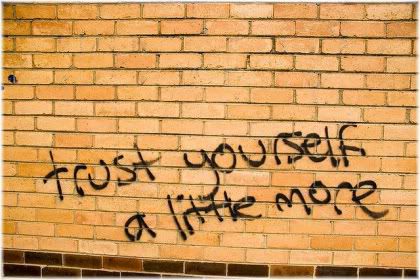
Learn to trust yourself and have the courage to follow your intuition. It may not be right all the time, but sometimes, it can lead to life changing events and realizations.
The more you learn to trust yourself, the stronger your belief will become in your abilities. When you truly know that you can do something, you will do it.
5) Learn From Your Mistakes
Look at the mistakes you make and take action to improve them. Do not feel bad when you make a mistake, but see it as a valuable learning experience from which you can grow and develop as a person. Recognize that nobody is perfect, we all make mistakes and it is ok to make mistakes as long as you learn something from them.
6) Love Yourself

Learn to love yourself and accept the person you are. It is only when you truly love yourself and are comfortable in your own skin, will the world love you.
When you love yourself, you will be better equipped to handle all the situations that come your way. Loving yourself will enable you to persist through the difficult times, thereby allowing you to grow and develop as a person.
7) Open Your Mind
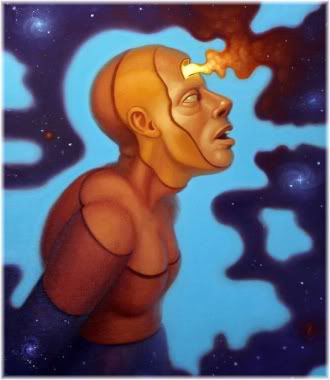
Keep an open mind when you are presented with new information, and do not automatically accept it as the truth or reject it as false. You can still listen to something, without having to accept it.
Remember, you will accept or reject something based on your current level of consciousness. If you automatically accept or reject new information, you may be doing so from an existing false belief which could be blinding you to the true reality.
8) Pay Attention to What You Defend

Pay attention to the things you strongly defend. These are usually a good indicator of deeply ingrained beliefs that you are holding on to tightly, and most likely, were implanted in your mind during your childhood.
Should your adult mind still be full of these childhood beliefs? Are these beliefs true or false?
9) Desire Consciousness
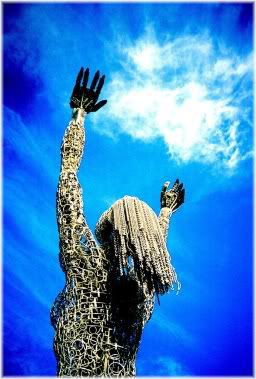
Recognize that as your level of consciousness increases, you will become more motivated to change for the better. Only by becoming conscious will you be able to take actions that address your true reality, rather than living your life under the illusion generated by your false beliefs.
Be eager to expose yourself to a variety of information and opinions. The most unexpected things can expand your mind, so always be willing to learn from a variety of sources.
10) View Beliefs Objectively

Question your current beliefs. Are the things you regard to be true really true? Would another person think the same way if they had the same beliefs? Have your beliefs been implanted into your mind by someone else, and you accepted them as true without questioning their validity?
View your beliefs objectively, and make sure there is ample evidence to support them before you accept them as true.
How Can You Change Your Beliefs?
Not all the beliefs that you have are bad, so in order to improve your life for the better you only need to focus on any limiting or false beliefs that you have.
One of the most effective ways to do this, is to start by writing down all the things that you believe to be true about a particular area of your life.

Starting with your health, finances, relationships and career are usually good places to begin because those areas tend to have the biggest impact on a person’s life in terms of how they feel about themselves and the overall quality of life that they live.
You may want to write your answers down as follows:
I believe that…
I think that…
I doubt that…
I am certain that…
Once you have finished writing down all the things that you believe, go over each belief and identify any that you believe to be limiting your life in any way.
The next step is to decide whether that limiting belief is actually true or not. Can you, for example, find any scientific information or stories of people which show that what you thought was not possible actually is possible?
If you take this exercise seriously, you will probably discover that many of your limiting beliefs have no basis in reality and so can be rejected as false.
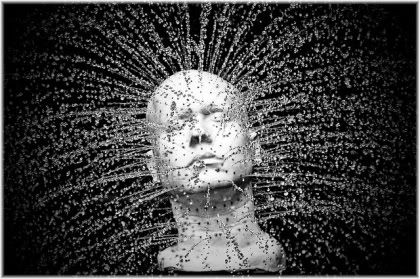
Once you know that something is false, slowly your thoughts and actions will start to change in order to accommodate your new belief, and this process will occur more rapidly the more examples you are able to find which go against your original belief.
Here is a belief that I have successfully used to overcome my own limiting beliefs. It is a simple phrase that I have memorized and internalized, and has really changed the way that I perceive the world and how I act within it.
“I firmly believe that anything is possible. You just have to know what to do, how to do it and then keep doing it until you succeed.“
Try applying that statement to anything that you believe to be limiting your life in some way, and see how it changes the way you look at things.
What about hypnosis?
Undergoing hypnosis is a common suggestion given for reprogramming limiting belief systems, and whilst it may seem like a quick and easy way to accomplish this goal, the reality is that hypnosis is only effective for a small percentage of the population. I say this based upon scientific research.
What psychologists have discovered is that around 10% of the population are highly suggestible to hypnosis. When you see a show on TV that has a stage hypnotist hypnotizing people to do funny or strange things, they are doing so on the few highly suggestible members of the audience.

For the majority of people hypnosis has little to no effect. In other words, most people in the audience could not be made to bark like a dog when the hypnotist says their name.
As a result, the hypnotist has to be very selective over who they choose to perform in the show, and so because you only see the highly suggestible people it appears as though anyone can be easily hypnotized.
Therefore, for most people, hypnosis is not an effective means for changing beliefs and you are likely to get better results doing the exercise previously described.
Preventing future limiting beliefs
Once you know how to identify and change the limiting beliefs that you have, you will, over time, form new beliefs that empower you rather than restrict you.
However, it’s important to remember that you will be continually exposed to new information throughout the course of your life. Therefore, there is always the possibility that you could form new limiting or false beliefs even after getting rid of your old beliefs.
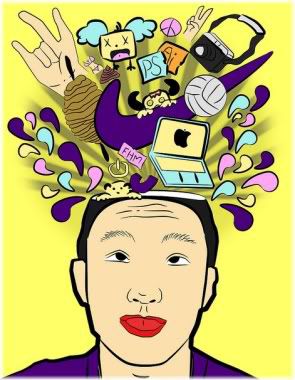
A simple way to guard against this from happening is to question everything that you are told to be true and never accept something on face value.
Even if something seems like it could be true, try to find supporting evidence to back it up before you internalize and accept it. Doing so will guard your mind against many intrusive false beliefs, thereby allowing your life to be governed by true beliefs.
Summary
The information that we are exposed to throughout our life shapes how we perceive the world and how we act within it. Beliefs however, can be limiting and cause a person to feel badly about themselves and perform well below their true potential.
Changing beliefs is a relatively straightforward process, although it is by no means always an easy task. This is especially true for the beliefs that we acquired during our childhood, simply because we have lived with them for so long and have accepted them as being true for so long.
Protect your system of beliefs by questioning everything that you are told and never believe that something is true without backing it up with supporting evidence.
Videos

Reviewed – 29th March 2016